We serve families throughout Kalispell, Whitefish, Polson, and Libby, as well as provider referrals across Northwest Montana.
Big Sky Care. Little Smiles.
Gentle, Comprehensive Care for Infants, Children & Teens
If something feels “off” with your child’s feeding, speech, sleep, or oral development, you’re not alone — and you’re not imagining it. Tongue ties and lip ties are more common than many realize, and they’re often overlooked or misdiagnosed.
At Big Sky Pediatric Dentistry, our doctors have advanced training in tongue-tie and lip-tie evaluation and laser treatment, providing thoughtful, evidence-based care for infants, children, and teens. We focus on identifying restrictions accurately, explaining findings clearly, and guiding families through treatment decisions with confidence.
Tie or Lip Tie
What Is a Tongue Tie or Lip Tie?
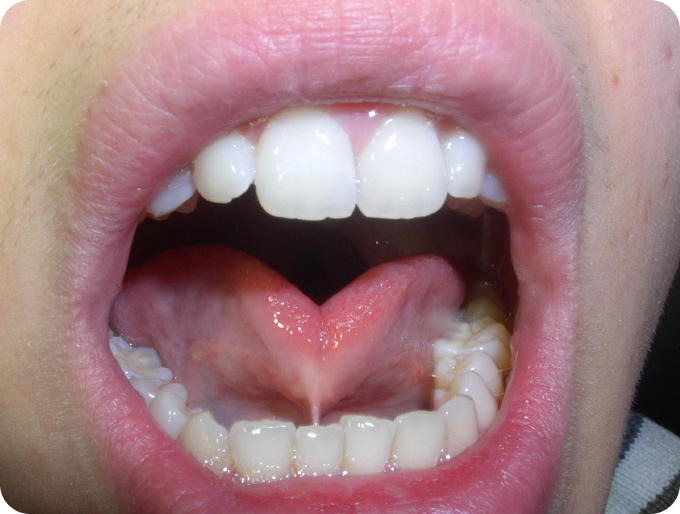
A tongue tie (ankyloglossia) occurs when the tissue connecting the tongue to the floor of the mouth is too tight, thick, or restrictive. A lip tie involves restricted tissue connecting the upper lip to the gums.
These oral restrictions can interfere with normal movement and function — sometimes in subtle ways — and may affect:
Feeding and nursing
Speech development
Sleep and airway function
Oral hygiene and dental development
Neck tension, headaches, or jaw discomfort (especially in older children)
While not every tongue or lip tie requires treatment, restrictions that affect function should be properly evaluated.
Tie or Lip Tie?
Why Tongue
Why Tongue Ties Are Often Missed
Education around tongue ties has improved, but many cases are still dismissed or misunderstood — especially posterior tongue ties, which are harder to see without proper training.
Parents are sometimes told:
Breastfeeding is supposed to hurt.
Your baby is just a picky eater.”
They’ll grow out of it.
Speech will improve on its own.”
While these statements may be well-intentioned, they can delay identification of an underlying issue. Research suggests tongue ties may affect far more children than previously thought, particularly when posterior restrictions are considered.
Symptoms
Signs & Symptoms by Age
A tongue tie (ankyloglossia) occurs when the tissue connecting the tongue to the floor of the mouth is too tight, thick, or restrictive. A lip tie involves restricted tissue connecting the upper lip to the gums.
Infants
Tongue or lip ties in infants may contribute to:
Difficulty latching or staying latched
Painful or inefficient breastfeeding
Poor weight gain or frequent feedings
Excessive gas, reflux, or fussiness
Clicking sounds while feeding
Prolonged feeding times
Even infants gaining weight can still struggle with inefficient feeding.
Older Children & Teens
In older children, tongue ties and lip ties may contribute to:
Speech issues that aren’t resolving
Difficulty keeping teeth clean
Tension in the jaw, neck, or shoulders
Headaches
Sleep concerns or fatigue
Limited tongue mobility (unable to touch the roof of the mouth)
Toddlers & Young Children
As children grow, restrictions may present as:
Difficulty chewing or swallowing
Food aversions or picky eating
Speech delays or articulation issues
Mouth breathing
Sleep disturbances
Signs & Symptoms
Evaluation Process
Our Comprehensive Evaluation Process
At Big Sky Pediatric Dentistry, we don’t rely on a quick glance or a “snip-and-go” approach.
Our evaluation includes:
Listening carefully to parent concerns
Reviewing feeding, speech, and sleep history
Assessing tongue and lip mobility
Evaluating function — not just appearance
Discussing findings and treatment options openly
If a restriction is present but not functionally limiting, we may recommend monitoring rather than immediate treatment.
Tie or Lip Tie?
Tie or Lip Tie
Laser Tongue Tie & Lip Tie Treatment
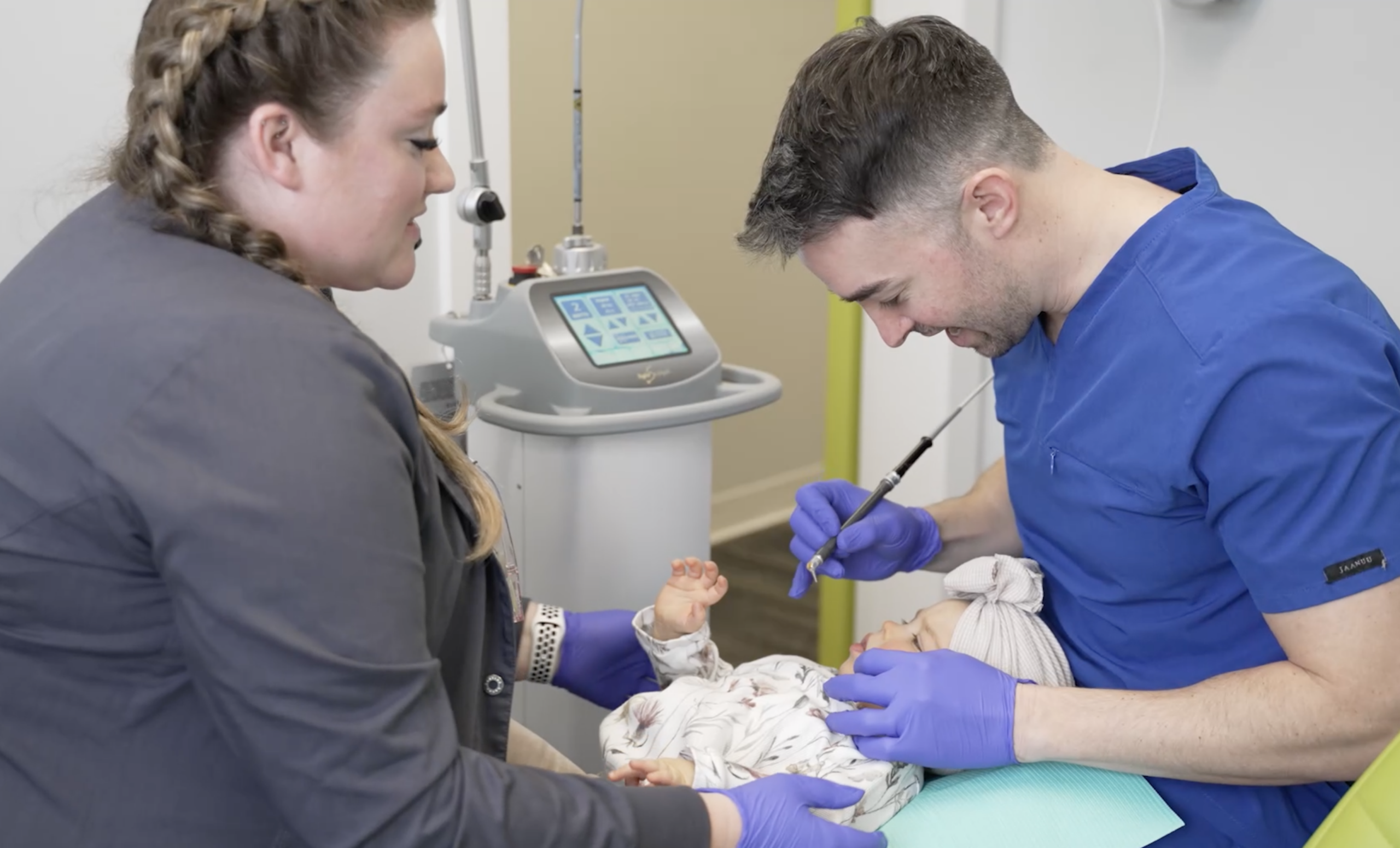
When treatment is recommended, we use advanced CO₂ laser technology to perform precise, gentle frenectomies.
Benefits of Laser Treatment
Minimal bleeding
Reduced swelling and discomfort
Short procedure time
Faster, smoother healing
Lower risk of infection
Our doctors use FDA-cleared LightScalpel® laser technology, a trusted tool in modern pediatric dentistry.
During the Procedure
What to Expect During the Procedure
The procedure is quick and precise
No general anesthesia or sedation is used
Infants and children remain awake
Parents receive clear aftercare guidance
Our goal is to fully release the restriction correctly the first time, avoiding incomplete treatment that may lead to persistent symptoms.
Care Beyond
This collaborative approach helps support optimal feeding, speech, and function long-term.
Care Beyond
Care Beyond the Procedure
Successful outcomes don’t end when the procedure is complete.
We guide families through:
Post-procedure exercises (when recommended)
Healing expectations
Coordination with lactation consultants, speech therapists, or other providers when appropriate
Follow-up care to monitor progress
We believe families deserve answers, not dismissal — and treatment plans built around their child’s unique needs.
Why Families
Why Families Choose Big Sky Pediatric Dentistry
Advanced training in tongue-tie and lip-tie care
Board-certified pediatric dentists
Experience treating infants through teens
Gentle, laser-based treatment approach
Clear communication with parents
Trusted referrals from healthcare providers across Montana
Provider Referrals
Provider Referrals Welcome
We work closely with:
Lactation consultants
Pediatricians
Speech-language pathologists
Myofunctional therapists
Other healthcare providers
If you’re a provider seeking a trusted referral partner for tongue-tie or lip-tie evaluation, we welcome collaboration.
Care Begins
Schedule a Consultation
If you’re concerned about feeding, speech, sleep, or oral development, we’re here to help.
Request a consultation today with Big Sky Pediatric Dentistry to learn whether tongue-tie or lip-tie treatment may be appropriate for your child.